Peanut butter is a yummy and healthy ingredient for your kid’s smoothies and sandwiches. With eight grams of protein in two tablespoons, it’s sure to pack a protein punch, and all natural brands like Old Home don’t contain any added sugars. Sweet!
But peanut butter isn’t always an option for your kid’s lunch. Peanut allergies in children have more than tripled in the United States from 1997 to 2008, and schools are taking action out of concern for all kids. Fortunately for peanut butter lovers, a wide array of healthy alternatives to peanut butter are available as tasty substitutes. Many of these alternatives use tree nuts, a category that includes cashews, walnuts, pistachios, almonds, and hazelnuts, among other tree-grown nuts. Tree nuts aren’t related to peanuts (which are ground-grown legumes), so they can often be used as a healthy nut butter alternative to peanuts and peanut products. Here are our picks for the top seven kid-approved peanut butter alternatives.
Our 7 Favorite Healthy Alternatives to Peanut Butter
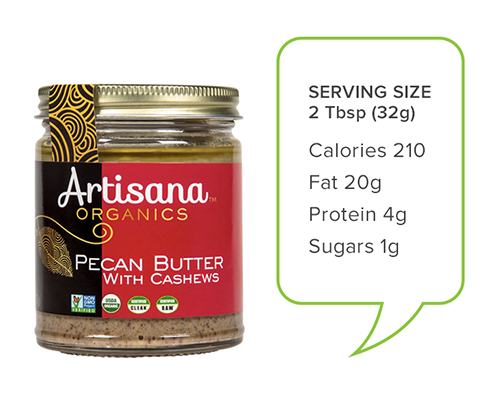
1. Artisana Organics Pecan Butter
Artisana Pecan Butter has a rich, hearty texture and simply pecans and cashews, nothing more. Pecans and cashews are rich in manganese, thiamin, and copper, important nutrients for your kid.
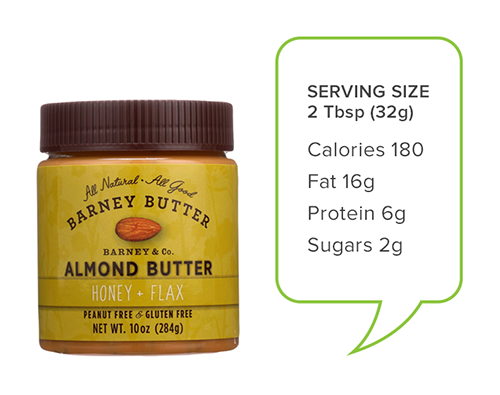
2. Barney Butter Almond Butter Honey + Flax
Almonds and omega-rich flax are blended together with a touch of honey in this kid-pleasing, healthy peanut butter alternative. Almonds contain less saturated fat than other nuts, instead offering monounsaturated fats that help reduce bad cholesterol and lower the risk of heart disease.
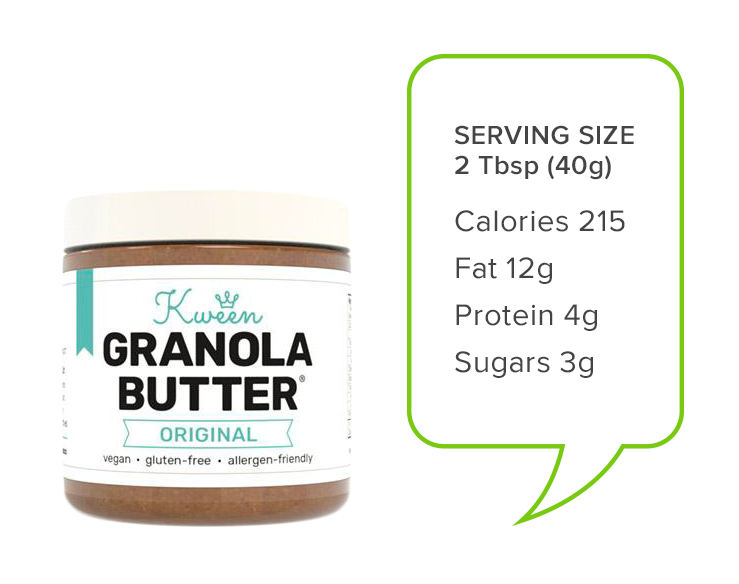
3. Kween Granola Butter
Delightfully spreadable and lightly sweet, Kween Granola Butter is made from just seven ingredients, including gluten-free rolled oats, golden flax seeds, and pure, unrefined maple syrup. Not only free from nuts and tree nuts, but Kween is also crafted without any refined sugars, preservatives, or unnatural additives. The world’s first spreadable granola serves up all the yum of cookie butter but with extra fiber, protein, and healthy fats!
4. Justin’s Chocolate Hazelnut Butter
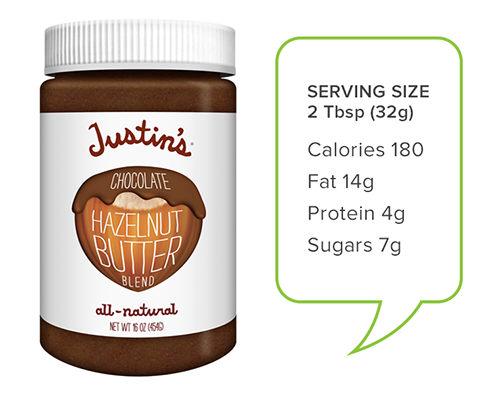
Premium hazelnuts and organic chocolate make this nut butter a spoon-licking indulgence; it’s preservative-free and made with organic ingredients. Justin’s Chocolate Hazelnut Butter offers a healthier take on the classic European spread, which contains 21 grams of sugar per two-tablespoon serving.
5. Sneaky Chef No-Nut Butter
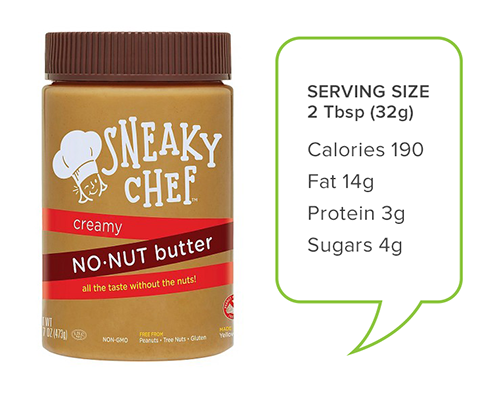
Can you believe that Sneaky Chef’s No-Nut Butter is made from golden peas, a variety of garden peas? Surprisingly, this spread is naturally “peanutty” tasting and packed with vegetarian-friendly nutrition: protein, fiber, iron and magnesium. It’s a great choice for kids with nut allergies.
6. SunButter Natural Crunch
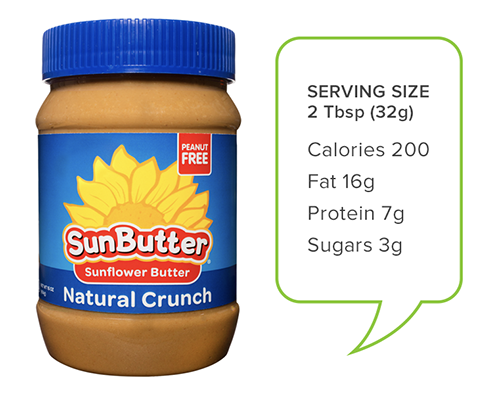
Made from sunflower seeds, SunButter’s all-natural, allergen-safe spread is packed with nutrition and flavor. As an added bonus, it contains less sugar and saturated fat than some popular peanut butter brands.
7. Wowbutter
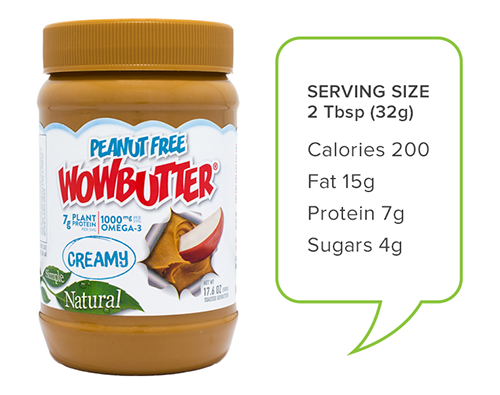
Wowbutter, made with toasted soybeans and available in classic creamy or crunchy, tastes just like peanut butter. It contains a whopping 7g of soy protein, containing all 9 essential amino acids and 1200mg of omega-3 fat, both of which are important for brain and eye development.
Need Peanut Butter Alternatives? We Got You Covered
No need to miss out on this classic favorite treat! With the rise in allergies, there are many opportunities to enjoy peanut butter as a great alternative, whether store-bought or homemade.
If you have questions or would like to learn more about Nurture Life’s nut-free meals, we can help. Please contact us here.
FAQ
What are the best nut butters for kids, including almond butter and cashew butter?
Some of the best nut butters for kids include almond butter, cashew butter, and walnut butter, all of which provide protein, healthy fats, and important vitamins and minerals. Almonds and walnuts contain vitamin E and beneficial fatty acids that support heart health, while cashew butter offers a smooth texture and mild flavor that many kids enjoy.
Are nut-free butters and granola butter safe options for nut-free school lunches?
Yes, nut-free butters such as sunflower seed butter, sunflower butter, and granola butter are often safe choices for nut-free classrooms. Sunflower seed butter is made from sunflower seeds and can be a delicious peanut butter substitute for sandwiches and snacks.
How can you choose nut butters without added sugar that are still heart-healthy?
When choosing nut butters, look for options with minimal ingredients and no added sugar. The best nut butter choices contain just nuts or seeds and possibly a small amount of salt. These spreads are naturally sweet without relying on extra sugar and provide health benefits like healthy fats and plant-based protein.
Are almond butter, cashew butter, and granola butter available in gluten-free options?
Yes, many almond butter, granola, and cashew butter products are labeled as gluten-free. Always check the packaging to confirm that there is no cross-contamination during production, especially if your child has gluten sensitivity.
Is sunflower seed butter a good peanut butter substitute for school lunches?
Yes, sunflower seed butter is a great peanut butter alternative for families looking for a safe peanut butter substitute. Made from sunflower seeds, this seed butter delivers protein, fiber, and healthy fats without using peanuts or tree nuts. Many schools allow sunflower butter in nut-free classrooms, making it a good option for sandwiches and snacks.
Sunflower seed butter also provides health benefits, such as vitamin E and important fatty acids that support heart-healthy eating patterns.
How does almond butter compare to peanut butter nutritionally?
Almond butter and peanut butter both offer protein and healthy fats, but almond butter contains higher levels of vitamin E and certain vitamins and minerals. While peanut butter made from roasted peanuts may have slightly lower levels of some micronutrients, both spreads can be nutrient-dense options when chosen without excess sugar.
What other nut butters might kids enjoy besides peanut butter?
Beyond almond butter and cashew butter, families can try walnut butter or walnut blends with other nuts. These other nut butters often have a mild taste and smooth texture that works well as a spread on bread or stirred into recipes.
Are seed butter options better for kids with tree nut allergies?
For children with nut allergies, seed butter options like sunflower butter or tahini can be a safer alternative. These products are made from seeds rather than nuts and can still provide protein, fiber, and fats that are healthy.
Can nut butters support heart health and overall nutrition?
Yes, many nut butters are heart-healthy because they contain unsaturated fats and beneficial fatty acids that may support healthy blood pressure and reduce fat intake when replacing less nutritious options. While some varieties may have less protein or more protein depending on the nut source, they generally provide important nutrients like vitamins, minerals, and fiber.
How can families use nut butters in everyday meals and recipes?
There are many creative ways to use nut butters beyond spreading them on toast. Walnut butter made from walnuts can be blended in a food processor until smooth, then stirred into sauces, drizzled over oatmeal, or mixed into baked recipes. Some families even use mashed bananas with nut butters for quick snacks that kids can eat on busy days. Rotating different nut butters helps add variety, flavor, and fiber to meals while keeping things interesting.
Are nut butters a good option for growing kids and overall nutrition?
Nut butters can be a good option when served in an appropriate portion size and paired with balanced meals. Wide varieties provide fiber, fats, and minerals such as calcium that contribute to daily value goals. A registered dietitian may recommend including nut butters as part of a balanced eating pattern, whether your focus is on general wellness or even weight loss in adults. Choosing options without excess sugar and encouraging kids to eat a variety of foods can support long-term healthy habits.