Whether or not your family follows a strictly vegetarian or vegan diet, there’s always room for more veggies on the plate! Especially for active and growing kids, plant-based protein sources are rich in essential nutrients and tend to be a very good source of dietary fiber.
If you’d like to incorporate more veggie goodness into your healthy family meals, we’re sharing some of our favorite ideas for veggie-forward and fully vegetarian meals for kids. Your kids will see that protein doesn’t have to mean meat!
12 Kid-Friendly High-Protein Veggie Meals
Plant-based can mean a variety of things, from vegan to vegetarian to simply including more plants, including legumes, nuts, seeds, and whole grains. Below, we’re providing nutritious meal ideas to fit all categories, broken down by their primary plant-based protein source.
Legume-Based Protein Ideas
Also known as “pulses,” legumes are seeds or pods. Common legumes include chickpeas, black beans, green peas, and lentils. Try out some of these legume-rich meals for kids:
- Five-Ingredient Veggie Burgers: These quick veggie burgers are made from canned black beans and rolled oats, and the recipe’s spice recommendations can be easily substituted with your kids’ favorite herbs, seasonings or sauces.
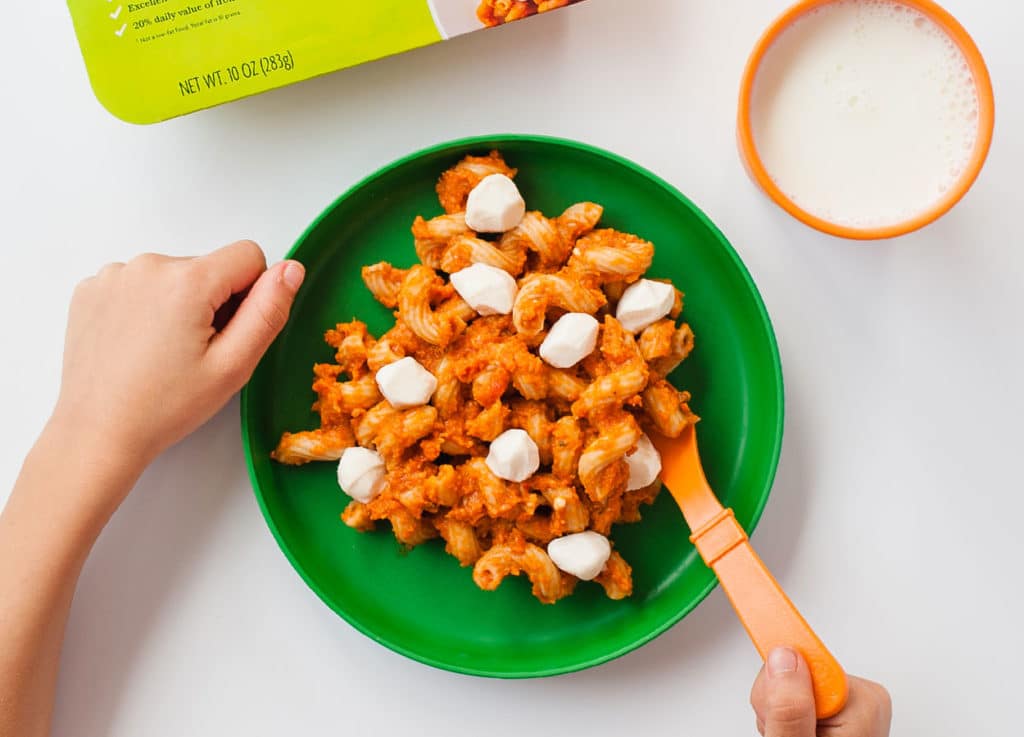
- Veggie Ragout Pasta with Fresh Mozzarella: A warm bowl of Italian-style pasta is always a hit with kids! Nurture Life’s signature red sauce has lentils smoothly blended in for a plant-based pop of fiber, vitamins and minerals.
- Slow Cooker Vegetable Bean Soup: This vegan soup features a hearty serving of Great Northern beans along with classic soup veggies like carrots and celery. Just toss the ingredients together and let the slow cooker work its magic.
Why Legumes?
Legumes are low in fat and high in protein, and most legumes are rich in folate and dietary fiber. Studies have shown that regular consumption of legumes may lower cholesterol, improve blood pressure management and reduce the risk of developing Type 2 diabetes.
Soy-Based Protein Ideas
Soybeans are technically a legume, but as far as plant-based proteins go, soy is truly in a class of its own! Popular preparations include boiled soybeans (edamame), firm or soft tofu and tempeh nuggets or slices. Here are some delicious ways to serve this versatile protein:
- Baked Tofu Nuggets: A delightfully kid-friendly introduction to tofu, these vegan nuggets are made from extra-firm tofu dipped in almond milk and breadcrumbs and then baked to the perfect crisp.
- Garlic Teriyaki Tempeh: This vegan meal is your classic beef and broccoli without the beef! It serves up a full serving of protein and veggies, along with extra fiber from brown rice on the side.
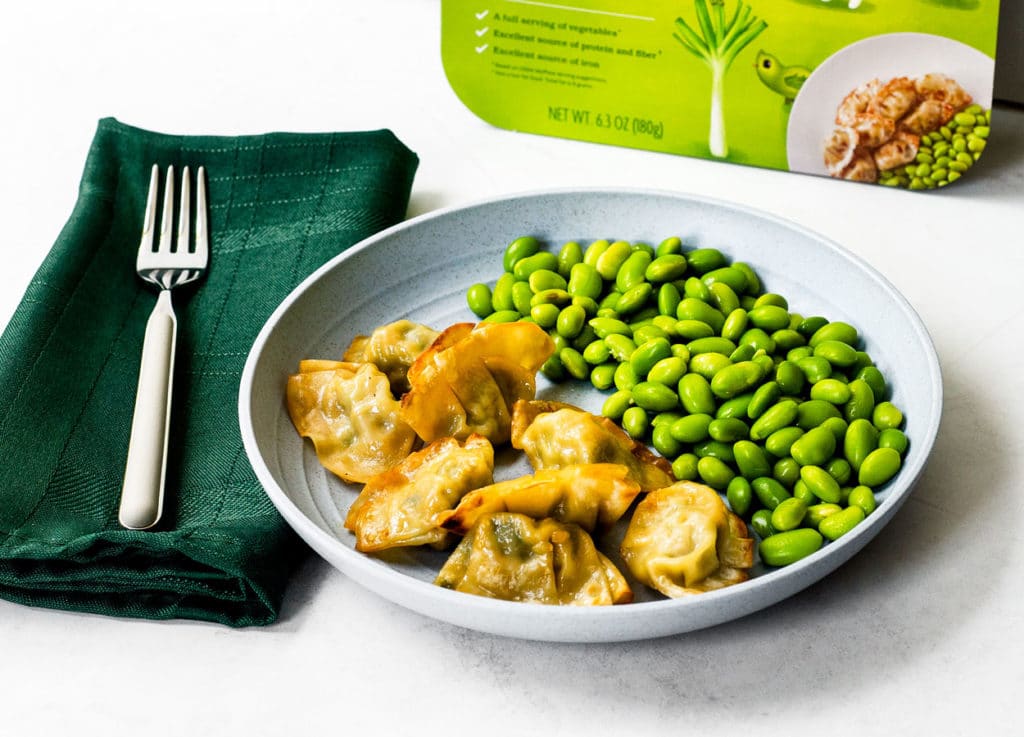
- Chicken Dumplings with Edamame: Our little dumplings are a great way to incorporate plant-based protein without going fully vegetarian.We pack our baked dumplings with chicken, tofu, cabbage and leek for a nutritiously filling take on this wonton-inspired dish. Topped with a sesame-soy sauce and paired with edamame, this meal is delightfully bold and green!
Why Soy?
Unlike most plant-based protein sources, soybeans contain all nine amino acids that are essential for human nutrition. In nutritional terms, that makes soy a “complete” protein. Studies have also shown that soy may stimulate the growth of healthy bacteria in the gut, especially in the colon.
Whole Grain-Based Protein Ideas
By replacing your kids’ favorite refined grains with whole grains, you can easily increase their intake of dietary fiber and plant-based protein. To help picky eaters transition, we recommend mixing the accepted refined grain (like white rice) with the new whole grain (like brown rice) and then slowly adjusting the ratio over time. You can try this method with any of these whole-grain-focused meal ideas:
- Quinoa Chili: This vegetarian chili not only includes quinoa but also black beans and kidney beans for a triple serving of whole grain- and legume-based protein. Although this chili has quite a few ingredients, you can throw them all in a pot to stew for a fairly hassle-free prep.
- Wild Rice and Broccoli Casserole: This one-pan meal is a deliciously cheesy take on vegetarian protein. The wild rice blend is balanced with spinach and broccoli for a colorful, nutrient-rich bite. Can’t find wild rice? Consider swapping in another whole grain alternative like farro or buckwheat!
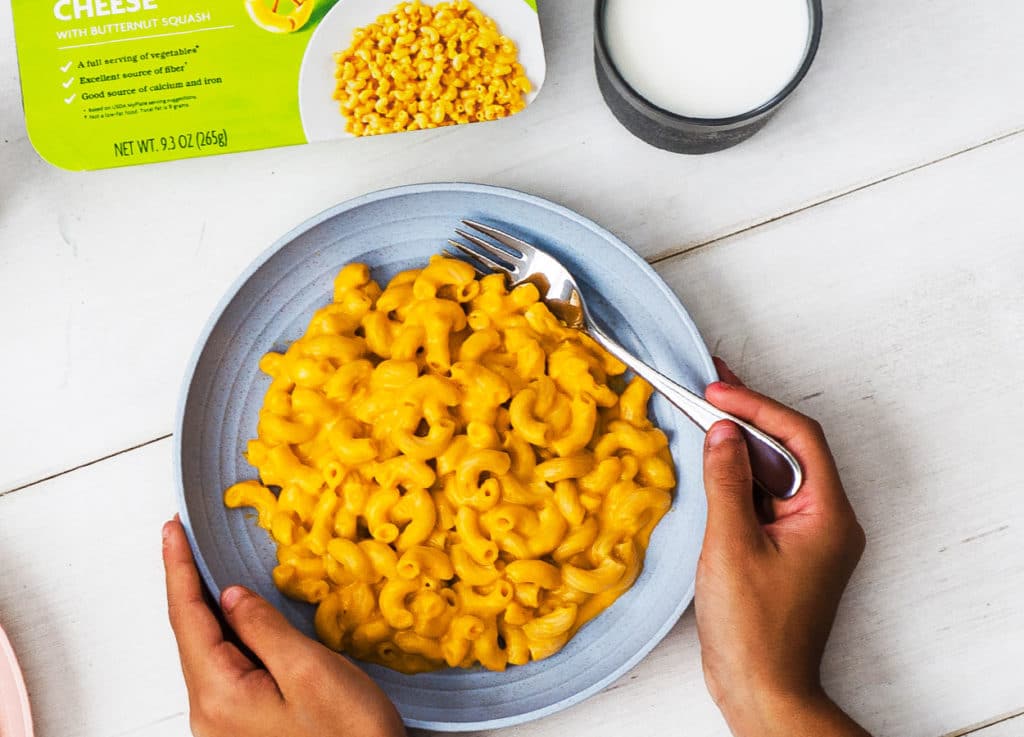
- Mac & Cheese with Butternut Squash: Our Mac & Cheese features whole wheat pasta tossed in a creamy four-cheese sauce with smoothly pureed organic butternut squash. It’s one of our all-time favorite picky eater meals!
Why Whole Grains?
Whole grains are packed with many essential nutrients, especially B vitamins and dietary fiber. According to researchers, whole grains are associated with a lower risk of many chronic diseases, such as Type 2 diabetes and cancer. One of the most nutrient-dense whole grains is quinoa, which, like soy, has all nine essential amino acids.
Nut-Based Protein Ideas
As long as no one in your family has a food allergy, nuts are the perfect way to add a nutritious boost to any dish. Nuts contain valuable nutrients, including heart-healthy fats and minerals, such as selenium (a powerful antioxidant).
- Vegan Peanut Stew: Peanuts are a traditional ingredient in many West African dishes, including this vegan take on peanut stew. With all-natural peanut butter stewed in and crushed peanuts added on top, this dish has double the nut-based protein.
- Homemade Trail Mix: The best thing about trail mix is that you can easily tailor it to your kids’ taste while keeping things healthy! Try out this basic trail mix base and add dried fruit, unsweetened coconut, dark chocolate and more.
- Banana Walnut Smoothie: Freeze some bananas and combine them with almond milk, chopped walnuts and cinnamon. For a heartier breakfast smoothie, add some rolled oats.
Why Nuts?
Nuts are a lean source of protein that’s rich in healthy fats and dietary fiber. For a boost of plant-based protein, chopped nuts can be easily added to virtually any dish, from yogurt to soup to casserole to salad. When choosing nuts at the store, we recommend raw or roasted nuts with no added sugar or salt.
Why Plant-Based Protein is Great for Kids
All of the meals above are certainly delicious, but do veggie-focused protein sources really provide any particular benefit to kids and adults? The research is still ongoing, but there are at least a few benefits to incorporating more plant-based protein into your family’s meal routine:
- Short-Term Health Benefits: Eating a plant-based diet will almost certainly increase the number and variety of veggies that your kids are eating on a daily basis, ensuring a well-balanced diet that’s full of essential nutrients required for physical and cognitive development.
- Long-Term Health Benefits: In general, plant-based foods are lower in cholesterol and saturated fat—and when they are higher in fat, it tends to be the “good” kind of fat. Some studies show that plant-based diets reduce the risk for heart disease, cancer, obesity, diabetes and other chronic health conditions.
- Environmental Benefits: Factory farming is one of the biggest global contributors to deforestation, water use and methane production (a gas that contributes to climate change). Especially compared to beef production, plant-based sources are more sustainable and earth-friendly.
Should Your Family Go Plant-Based?
Plant-based or not, protein is essential to your kids’ healthy growth and development. You can absolutely incorporate more plant-based proteins and vegetarian meals for kids without deciding to completely cut out meat or eliminate all animal products. Every child is different and has different developmental and dietary needs, and there’s really no “right” way to feed your kids. You know what’s best and most realistic for your family.
If you do choose to go fully vegetarian or vegan, dietitians recommend that you keep an eye on nutrients that are less abundant in plant-based protein sources, especially vitamin B12, calcium, zinc, vitamin D, and iron. You can get these nutrients from plant-based foods, including whole grain bread, soy milk, kale, broccoli, chickpeas, lentils, potatoes, nuts, mushrooms, and fortified milk substitutes, but they’re often present in lower quantities and may be more difficult to absorb than their animal-based counterparts.
Concerned about your kid’s diet? We always recommend speaking with your pediatrician about any specific concerns you might have. If you have questions about Nurture Life’s healthy meals for kids or how to incorporate more veggie-based proteins into your family’s routine, then please reach out to us at support@nurturelife.com.
FAQ
How Much Protein Do Kids Need on a Plant-Based Diet?
Most kids can meet their protein needs on a plant-based diet through a varied diet that includes beans, vegetables, whole grains, and other healthy foods. Parents who are unsure can track protein intake over a few days or speak with a healthcare professional to confirm their child’s nutritional needs. In general, most kids get enough protein from regular meals without supplements.
What Are the Best Plant-Based Protein Sources for Kids?
Great plant based options include beans, dried beans cooked from scratch, pea protein products, tofu, chia seeds, and vegetables paired with whole grains. These foods offer building blocks for growth and help create healthy habits in a child’s diet. Fresh fruit and oatmeal can round out meals with extra fiber and nutrition.
Is Plant-Based Protein for Kids Enough for Healthy Growth?
Yes. Plant-based protein for kids can fully support healthy growth when meals include a variety of whole foods. Combining legumes, grains, vegetables, and nut butters helps kids get the nutrients their bodies need. If parents are unsure how much protein their child is getting, a pediatrician or dietitian can help evaluate their intake.
Can Kids Be Dairy Free and Still Get Enough Protein?
Kids can follow a dairy-free lifestyle and still get enough protein from plant-based foods like beans, lentils, tofu, and soy-free grain options. These foods support protein needs while offering a great source of nutrients. If a child has medical conditions or dietary restrictions, a registered dietitian can help create a personalized nutrition plan.
Can Plant-Based Foods Support a Balanced Child’s Diet?
Plant-based foods can absolutely support a balanced child’s diet when meals include a mix of flavors, textures, and nutrients. Vegetables, dried beans, whole grains, and fresh fruit can all work together to meet nutrition needs. When the whole family eats balanced meals, many children find it easier to build healthy habits that last over time.
Is a Protein Shake Safe for Kids on a Plant-Based Diet?
A simple protein shake made from pea protein or plant based protein powder can be safe when used occasionally, but whole foods should stay the foundation of a child’s diet. Parents should check product details for additives, sweeteners, or vanilla flavor ingredients. For older kids who enjoy smoothies, adding oatmeal or fresh fruit increases nutrition without relying on powders.
Can Kids Get Too Much Protein on a Plant-Based Diet?
It is possible, but rare. Too much protein usually comes from supplements rather than vegetables or beans. Large amounts of protein powder are not necessary for most kids and can be difficult for the body to process. Balanced meals are the safest way to support healthy growth while avoiding unnecessary heavy metals sometimes found in supplements.
Do Kids Need to Eat Meat to Support Growth or Prevent Weight Gain?
Kids don’t need to eat meat to grow well or maintain a healthy weight. A thoughtful plant-based diet can provide adequate protein through foods like tofu, lentils, and quinoa. These meals support healthy eating habits and can be just as nourishing as options made with scrambled eggs or meat.
Are Nut Butters a Good Protein Option for Kids?
Nut butters can be a great source of plant-based protein. They offer healthy fats and steady energy, especially when paired with baked goods made from whole grains or fresh fruit. Nut butters fit easily into a plant-based diet and help make meals simple for busy parents while supporting overall nutrition.
Is Protein Powder Necessary for Kids on a Plant-Based Diet?
Protein powder is not required for most kids because regular meals usually provide what protein helps support, including growth and energy. If parents choose to use a supplement, it is important to remember that not all powders are created equal. Many families prefer to blend small amounts into smoothies with fruit for better flavor, but whole foods should remain the main source of protein.
Can Plant-Based Meals Support Health Even If Kids Eat Meat Sometimes?
Yes. Kids can enjoy plant-based meals even if they still eat meat. A balanced approach supports environmental health while giving families flexibility. Meals built with vegetables, grains, beans and maybe protein powder offer plenty of flavor and work well for kids who limit dairy or enjoy smoothies as part of their routine. Parents can mix plant-based options into weekly meals without needing to change their entire diet.