How to Overcome Picky Eating by Involving Your Child at Mealtime
Not sure what to do with a picky eater who just won’t accept anything?
If you’ve become accustomed to a firm “no!”, a persistent head shake or even a mini tantrum every time you offer something new, giving your picky eater even more freedom and choice may be the last thing you want to do. But it’s also one of the best feeding strategies for picky eaters!
Below, we’ll take a closer look at two picky eating techniques that get your child involved in the overall meal experience—both when seated at the table and long before.
Technique #1: Give Your Child Choices at Mealtime
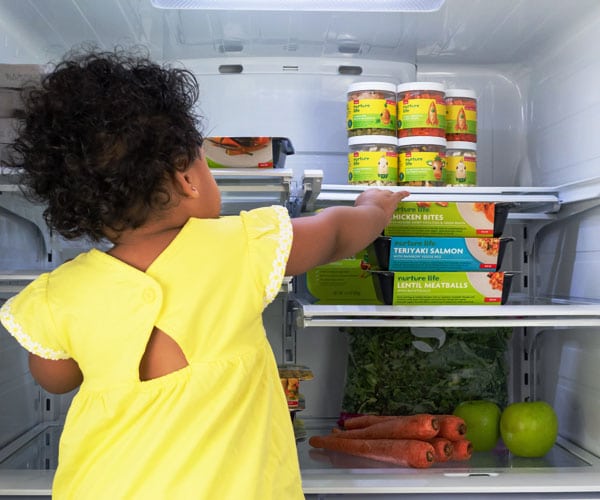
Knowing how to overcome picky eating starts with understanding the root causes, and in many cases, picky eating has more to do with the mealtime environment than any particular food itself. Giving your child more choice over that environment is a great way to set a relaxed and comfortable tone, helping eliminate the environmental stressors that are so often behind picky eating behaviors
In the short term, a child who feels in control may be more willing to try new foods. In the long term, this sense of mealtime comfort can also help your little one establish a positive relationship with food that will last a lifetime.
Young children love feeling like “big kids,” so feel free to work with that spirit of independence to conquer picky eating together! Experiment with offering mealtime choice in the following ways:
- Let your child choose tableware.
Along with what’s on the table, you can give your child the freedom to choose how the dishes are served, including plates, utensils, and other tableware. Picky eater tools, such as fun-sized character food picks, can make lunch or dinner more interactive and imaginative. - Let your child serve his or her own dessert.
It’s no secret that kids love a sweet treat. For the occasions on which you’re enjoying dessert together, why not let your little one choose and serve his or her own? - Try out our kid-friendly kitchen organization hacks and give your child dedicated shelving in both the fridge and the pantry. Fill these shelves with naturally sweet desserts that your little one can choose: fresh fruit and Greek yogurt, all-natural apple sauce, or homemade trail mix.
- Let your child select a dish.
Have a kid who’s begging for buttery noodles? Then make a deal: you choose one dish and your child chooses another. The caveat is that everyone at the table agrees to eat whatever is chosen by the others. In this way, you can serve an age-appropriate portion of buttery noodles while still providing well-balanced nutrients in the form of familiar veggies or proteins. If you order toddler or kids meal delivery, you can also try including your child in the weekly ordering process!
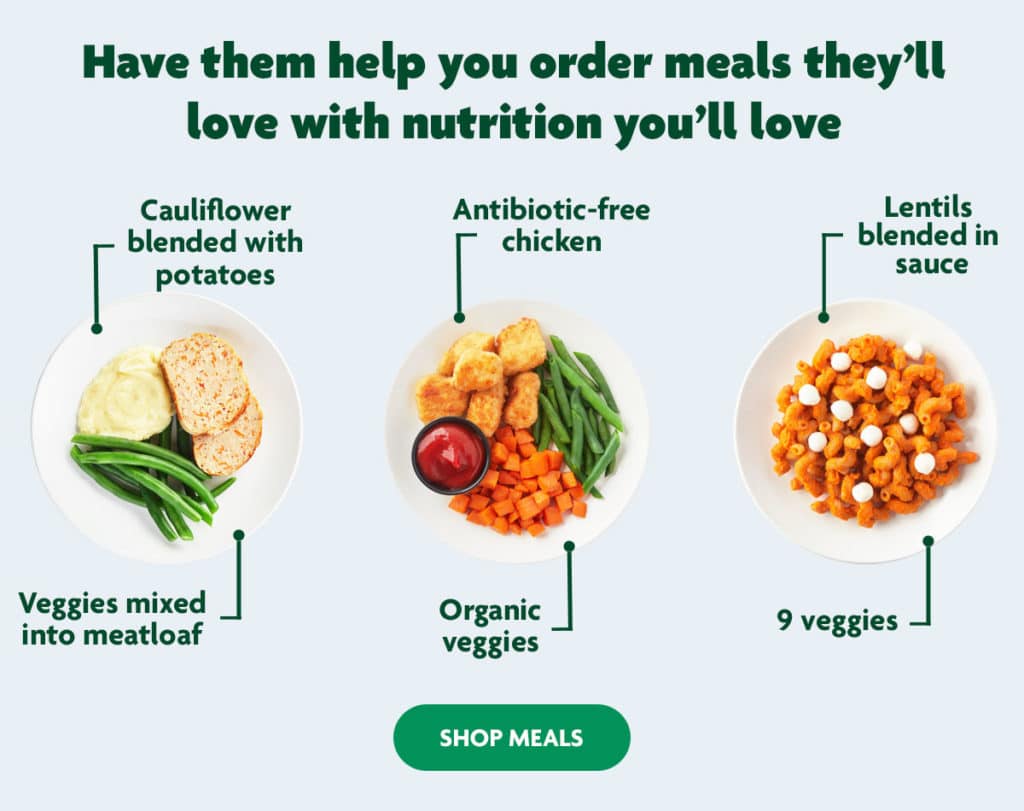
Technique #2: Get Your Child Involved in Meal Prep
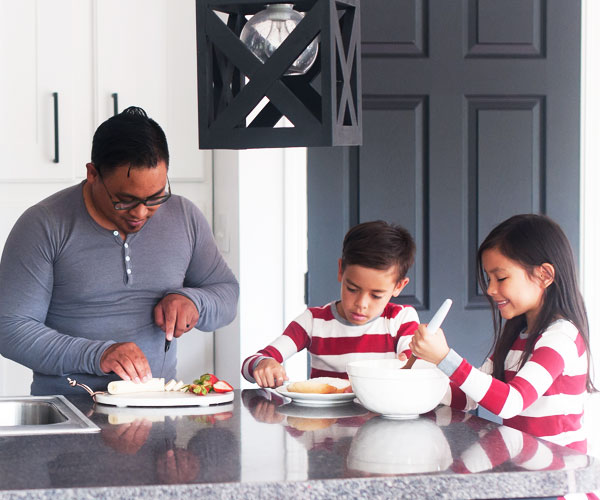
Many picky eater tips revolve around what to do after the food is on the table, but this technique starts well before! Instead of limiting choices to what’s being served or which utensils are being used, you can further expand your child’s sense of agency by involving him or her in the meal prep process.
Depending on your little one’s age and interests, here are some fun ideas to stir up engagement and share a little responsibility in the kitchen:
- Washing fruits and veggies
- Tearing fresh herbs
- Fetching ingredients from the fridge/pantry
- Measuring ingredients
- Mixing doughs, tossing salads, or stirring pots
- Plating meals
If your children are old enough, you can also have fun during mealtime with these DIY snack, lunch, or dinner ideas for picky eaters:
- Build a grab-and-go taco bar with clean-label corn tortillas, lean ground turkey, and all the fixings.
- Host a make-your-own pizza night with whole-grain crust, diced veggies, and mozzarella cheese.
- Turn your kitchen into an old-school ice cream parlor with homemade parfaits of frozen Greek yogurt, unsalted nuts, and fresh fruit.
- Throw together a trail mix of fresh-popped popcorn, raisins, and sugar-free coconut shavings.
- Have your kids personalize their bagels by topping them with their choice of fresh fruit.
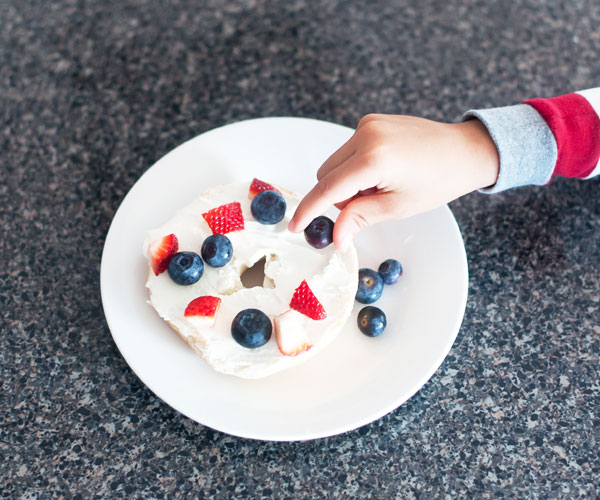
By inviting your kids to participate in meal prep, you’ll demonstrate that meals aren’t just about eating; they’re about spending time together and choosing healthy ingredients that nourish our bodies!
At Nurture Life, we know that picky eating can feel like an uphill battle, but we hope that you’ll take heart knowing that you are making progress, as well as a long-term difference in your child’s life. Of all the picky eater tips out there, patience and consistency are always key.
If you have more questions about why kids are picky eaters or how to overcome picky eating, please let us know so that we can do our best to help your family. Just contact our child nutrition experts at nutrition@nurturelife.com!
FAQ
How can I encourage picky eaters to try new foods?
You can encourage picky eaters by creating a calm mealtime routine that supports healthy eating habits. Start with very small portions of new foods so there is no pressure, even a single bite if your child feels ready. Most kids warm up faster when they see nutritious foods offered again and again in a relaxed way. Gentle encouragement works best, especially when parents of picky eaters avoid turning mealtime into a battle. If a child refuses certain foods, you can still place them on the child’s plate so the taste and smell become familiar over time. Kids outgrow picky eating at different ages, so look for steady progress rather than perfection.
Should the whole family follow the same mealtime approach?
Yes. When the whole family models positive routines, it helps reduce stress and supports better child’s eating habits. Family meals give kids a predictable structure and show them how adults enjoy healthy foods like vegetables, fruit, and balanced snacks. Eating disorders are not caused by picky eating, but a calm dinner table does make eating more comfortable and prevents a negative experience around food. Parents, older siblings, and adults can set a tone of curiosity by trying different foods together.
Is it helpful to serve just one meal instead of cooking separately?
Serving just one meal keeps feeding simple and avoids creating pressure around child foods versus adult meals. You can still offer foods your child likes, but the whole meal stays unified, so picky eating habits do not become reinforced. If your child prefers the same three foods, place a familiar option on the plate while also including vegetables or other healthy options in small portions. This approach gives kids a sense of control without turning dinner into a different meal for every person. If you ever feel concerned that picky eating is extreme or linked to a selective eating disorder, you can seek professional guidance.
What are some age-appropriate ways to involve kids in the kitchen?
Age-appropriate tasks help kids feel included and more willing to taste different foods. Younger children can wash vegetables, prepare simple snacks, or help set the child’s plate on the dinner table. As they grow, they can cook simple steps, measure ingredients, or help plan meals during grocery shopping. Involving kids this way makes eating feel fun and supports better appetite awareness. You can also let them choose healthy foods they enjoy, which strengthens confidence and reduces resistance as the child’s age increases.
How do I introduce new foods without overwhelming picky eaters?
Introduce new foods slowly by starting with tiny bites or small portions. Pair nutritious foods with familiar flavors so your child feels safe exploring. Most kids respond well when they are not hungry or rushed, so avoid offering new items when the table hungry feeling is high. Offer foods in simple combinations and avoid making the entire meal centered on something unfamiliar. This makes food a positive experience instead of a challenge. If your child drinks too many liquids before meals, appetite may drop, so keep drink amounts moderate. When progress feels slow, remember that gentle encouragement works better than pressure and that many children eventually outgrow picky eating.
How can I help my child feel more comfortable trying new foods?
Kids warm up to new foods when the pressure is low and the mood at meal time is relaxed. Offer vegetables or simple snacks next to familiar favorites and let your child explore at their own pace. Even taking one bite counts as progress. Parents can model calm curiosity, and adults showing excitement about tasting something new often helps children feel safe enough to try it too.
What should I do if my child gets hungry between meals?
A predictable snack time can prevent meltdowns and keep mealtime balanced. Choose snacks that support a steady diet, like fruit, yogurt, or cut vegetables. These options keep kids from arriving too hungry at the table, which can make it easier for them to focus and enjoy the meal without rushing or refusing food.
How do I involve my toddler or older child in the kitchen without overwhelming them?
Parents should start by offering age-friendly tasks. A toddler might wash vegetables or help prepare simple ingredients, while older children can cook small steps like stirring, measuring, or arranging snacks. When kids help prepare part of the meal, they feel more ownership and are more willing to try what they helped create.
Is it normal for kids to decide they only want the same foods every day?
Yes, many children go through phases where they stick closely to familiar tastes in food. Parents can gently expand variety by offering one new food at each meal alongside favorites. If a child accepts even one bite, that is a win. Keep portions small and never force, since pressure can make these phases last longer.
When should I consider seeking professional help for feeding issues?
If your child consistently refuses to eat most foods, struggles with textures, or shows signs of stress at meal time, it may be helpful to speak with a child nutrition specialist. Professional help is especially important if limited eating affects growth, diet quality, or daily routines. Early support can make a big difference in confidence and comfort around eating food.